



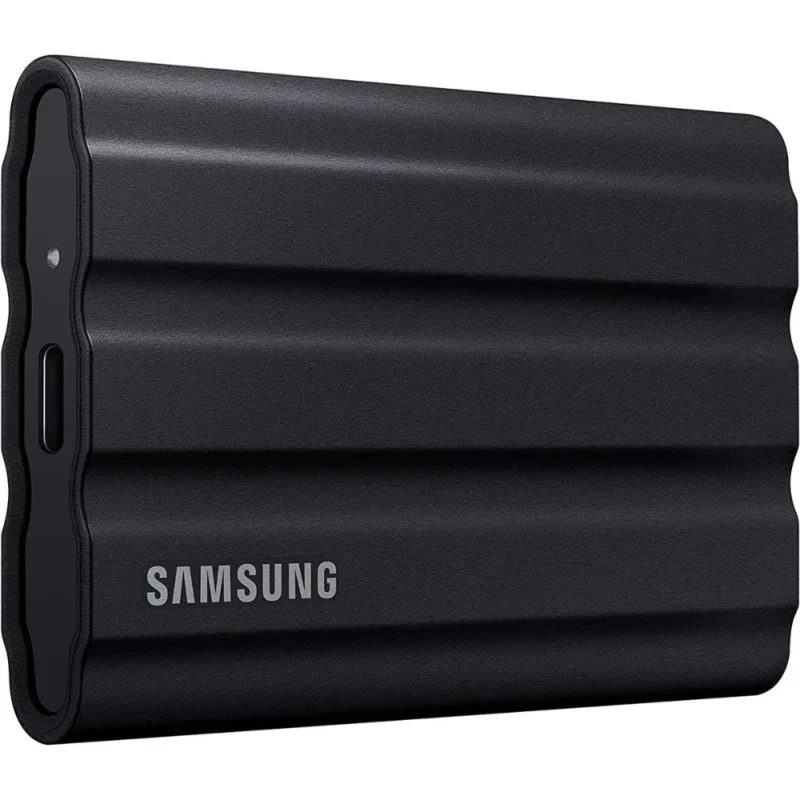
Samsung T7 Shield 4TB USB 3.2 inch External SSD (Black/Blue)
- General Feature
4TB (1GB=1,000,000,000 bytes, 1 TB=1,000,000,000,000 bytes)
USB 3.2 Gen.2 (10Gbps)
59 x 88 x 13mm
Weight :98g (The exact weight of the product may vary by capacity)
- Key Features
Data Transfer Speed:Sequential Read: Up to 1,050MB/s, Sequential Write: Up to 1,000 MB/s (Performance may vary depending on system environment even with USB 3.2 interface with supporting UASP)
AES Encryption:AES 256-bit hardware encryption
Security:Samsung Portable SSD Software 1.0, Samsung Magican Software
UASP Mode: Supported
Certification:CE, BSMI, KC, VCCI, C-tick, FCC, IC, UL, TUV, CB, EAC, UKCA, BIS
RoHS Compliance :RoHS2
- Warranty
Limited 3-year (For the full warranty statement, please visit
Online store of household appliances and electronics
Then the question arises: where’s the content? Not there yet? That’s not so bad, there’s dummy copy to the rescue. But worse, what if the fish doesn’t fit in the can, the foot’s to big for the boot? Or to small? To short sentences, to many headings, images too large for the proposed design, or too small, or they fit in but it looks iffy for reasons.
A client that’s unhappy for a reason is a problem, a client that’s unhappy though he or her can’t quite put a finger on it is worse. Chances are there wasn’t collaboration, communication, and checkpoints, there wasn’t a process agreed upon or specified with the granularity required. It’s content strategy gone awry right from the start. If that’s what you think how bout the other way around? How can you evaluate content without design? No typography, no colors, no layout, no styles, all those things that convey the important signals that go beyond the mere textual, hierarchies of information, weight, emphasis, oblique stresses, priorities, all those subtle cues that also have visual and emotional appeal to the reader.